

 By
By Portable power stations often get compared to regular batteries, but they serve a very different role in everyday energy use. A battery mainly stores electricity, while a portable power station stores, manages, and delivers power in a complete system. Users rely on power stations to directly power home items, tools, and electronics, rather than merely recharge them. Understanding the distinctions enables consumers to select the ideal option for home backup, vacation, or off-grid use. This page discusses how portable power stations function, what they can accomplish compared to ordinary batteries, and why they are increasingly popular as an all-in-one power solution.
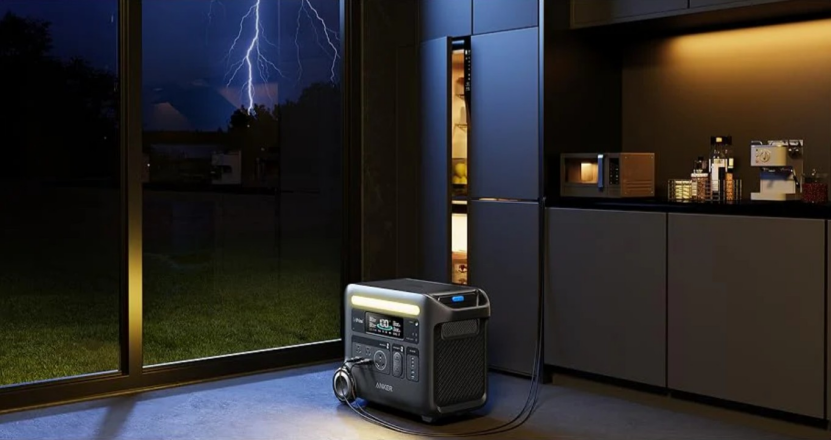
How Is a Portable Power Station Different From a Battery?
Built-In Systems That Go Beyond Basic Energy Storage
Portable power stations offer additional features not seen in traditional batteries. Inside one device, a battery pack, inverter, charge controller, and safety electronics all function together. A solitary battery simply stores energy and requires additional gear to make it usable. Power plants handle charging, discharging, and load balancing automatically. They automatically safeguard equipment from overloads and voltage fluctuations. This integrated design allows consumers to plug in appliances and start utilizing electricity right away. Portable power stations simplify energy consumption by integrating storage and control in a single container. They require less technical expertise to operate securely in real-world settings such as residences, travel, and emergencies.
Converting Stored Energy Into Usable Household Power
Portable power stations convert battery energy to useful domestic electricity. Batteries store direct current electricity, but most household appliances require alternating current. Electricity stations use built-in inverters to convert DC electricity into a reliable AC output. This enables users to directly control computers, household appliances, and medical gadgets. Basic batteries cannot complete this conversion on their own. Without an inverter, consumers would require additional equipment and connections. The conversion process also controls voltage and frequency, ensuring that electricity remains constant and safe. Power stations’ capacity to provide household-grade energy makes them a popular replacement for batteries in houses, cabins, automobiles, and mobile workstations.
Integrated Design for Plug-and-Play Power Use
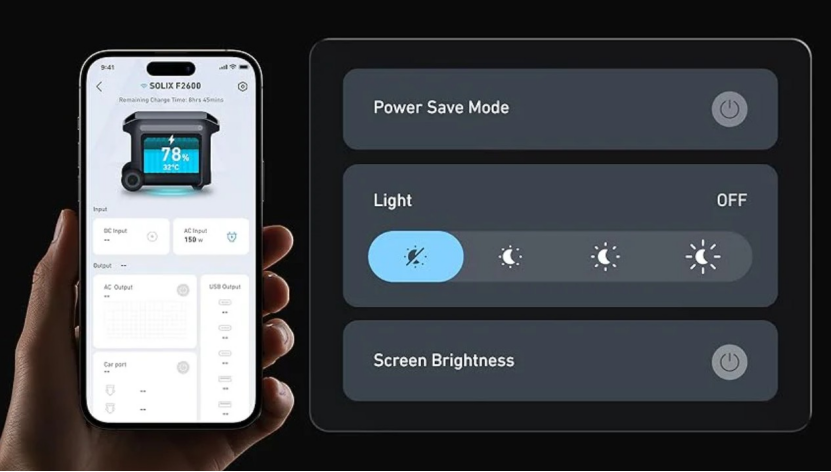
Portable power stations include an integrated design for easy plug-and-play power consumption. Users do not require separate chargers, inverters, or controllers. Everything is contained within a single, compact enclosure with clearly labeled ports. AC outlets, USB ports, and DC outputs are ready to use without any configuration. Basic batteries typically need cabling, adapters, and technical preparation. Power stations eliminate this complexity and decrease user error. Displays indicate the remaining battery, input, and output in real time. This transparency enables consumers to simply control energy. The portable power station’s all-in-one design is suitable for beginners as well as sophisticated applications in homes, outdoors, emergencies, travel, and off-grid life. No further equipment is necessary.
What Can Portable Power Stations Do That Batteries Cannot?
Powering Multiple Devices at the Same Time
Portable power stations can power many gadgets at once, which is something that conventional batteries cannot accomplish. They have many output ports that efficiently distribute energy among connected equipment. Users can concurrently turn on lights, charge phones, power a laptop, and keep a router online. Internal mechanisms distribute the load and prevent a single item from using all available power. Standalone batteries typically serve a single purpose and require additional equipment to divide output. A power station allows users to handle everything from a single unit. Power stations with multi-device compatibility are ideal for homes, campers, and emergency scenarios when several gadgets need to remain operational during outages, travel, remote work, and off-grid living.
Supporting AC, DC, and USB Output Needs
Portable power stations provide AC, DC, and USB output in a single system. Users may connect a variety of devices without the need for adapters thanks to this versatility. AC outlets power domestic appliances, DC ports power automotive equipment, and USB ports charge personal gadgets. Some variants provide USB-C rapid charging for current computers and phones. A simple battery normally only produces one sort of output. To match this adaptability, customers would require a variety of converters and connections. Power stations make energy access easier by delivering all popular power forms at one location. This design saves time, eliminates clutter, and provides compatibility with a variety of gadgets and daily power circumstances for the house, automobile, workplace, and emergencies.
Managing Power Safely With Smart Controls
Portable power stations use clever controls to provide safe power management. These systems track voltage, current, and temperature in real time. If a gadget consumes too much power, the station cuts down the output automatically. This safeguards both the station and the gadgets that are linked to it. Batteries alone cannot provide this level of protection without extra controllers. Power stations help prevent overcharging and severe drain, which increases battery life. Clear displays and warning indications let people understand power use quickly. Smart controls lower risk and increase dependability. Portable power stations are designed with safety in mind, making them ideal for interior use, family contexts, emergencies, vacations, business, and off-grid life.
Why Do Users Choose Portable Power Stations Over Standalone Batteries?
Portable power stations provide a comprehensive, ready-to-use power solution, making them preferred over isolated batteries. A battery just stores energy; a power station stores, transforms, and securely delivers it. Users do not require technical expertise, additional hardware, or wiring. Power stations run home gadgets directly, provide several outputs, and control power automatically. They also contain displays, safety features, and charging choices in a single device. Convenience is essential for emergency situations, travel, home backup, and off-grid use. Power plants save time, minimize setup mistakes, and increase dependability. Power stations satisfy current requirements for flexible and user-friendly energy, while batteries continue to play a vital role. This all-in-one strategy explains why families and professionals prefer power stations for their daily power demands in many settings.
Conclusion
Portable power stations differ from ordinary batteries in that they provide complete, usable power rather than simply storing energy. They convert power, offer various outputs, and handle safety automatically. Users may connect household items, tools, and electronics without requiring additional equipment or technical setup. Batteries continue to play a vital role, but they cannot compete with a power station for convenience and capabilities. Power stations offer flexibility and reliability for home backup, travel, off-grid living, and professional use. Understanding this distinction enables people to select the best solution for their needs. As energy demands become more complicated, portable power stations will continue to supplant standalone batteries.