

 By
By A lightweight solar powered generator gives you portable, renewable energy for outdoor activities without the bulk of traditional units. Whether you’re camping, tailgating, or spending the day at the beach, a small generator can charge phones, operate lights, and power fans quietly and cleanly. Unlike fuel-powered devices, these machines emit no emissions or noise and recharge through sunshine. Choosing the proper one is determined by your gadgets, runtime requirements, and the amount of weight you are prepared to carry. This tutorial delves into what lightweight generators can power, how to choose the best model, and what makes them useful, efficient, and simple to use on the road.
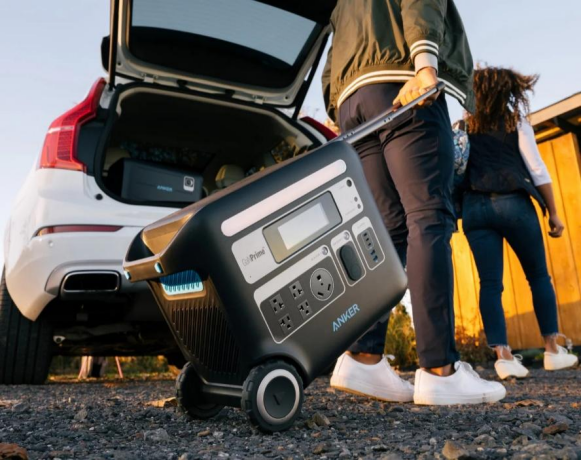
What Can Lightweight Solar Generators Power Outdoors?
Lightweight solar generators are perfect for powering small to medium-sized gadgets when outside. Most models in the 200-500Wh range can power cellphones, cameras, LED lights, Bluetooth speakers, drones, and even small fans or mini-coolers. They have AC, USB, and DC connectors, allowing you to charge numerous devices at once. A 300Wh generator, for example, can charge a phone 20-25 times and run a 30W fan for 8-10 hours. These units are ideal for day outings, van living, or weekend camping with minimal power requirements. They are not intended for heavy appliances, but they excel in terms of ease, renewable energy availability, and off-grid reliability in lightweight form.
How Do You Choose the Best Lightweight Solar Generator?
Matching Generator Size to Outdoor Use Cases
Begin by noting the gadgets you’ll need to power outside, and then compare total watt-hour use to generator capacity. For example, if you want to charge phones, operate a light, and power a fan on a 6-hour journey, you may want 250-350Wh. Backpackers should opt for versions that weigh less than ten pounds, although automobile campers might weigh more. Tailgaters may prefer more AC outlets and electricity for smaller coolers or projectors. Keep in consideration how frequently you’ll need to recharge and how much sunlight you’ll receive. Choosing a generator that combines power and portability, depending on your unique needs, provides consistent performance without adding needless weight.
Solar Charging Speed and Panel Compatibility
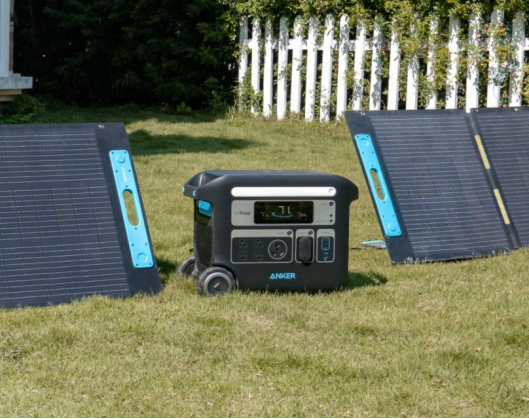
Charging speed is crucial when you’re off-grid, and the Anker SOLIX F2000 Solar Generator is built to recharge fast and efficiently. With up to 1,000W of solar input, it can recharge from 0 to 80% in about 1.4 hours under optimal sunlight—far quicker than smaller generators with limited input caps. Always match your solar panel size to the generator’s input rating and confirm connector compatibility. Foldable solar panels work well for camping or mobile setups, while fixed panels suit longer stays. Charging during peak sunlight hours maximizes efficiency, letting you power more devices, more often, without depending on fuel or external backup sources.
Durability, Weather Resistance, and Safety Features
Outdoor circumstances can be severe, so your lightweight solar generator should be designed to withstand bumps, spills, and dust. Look for reinforced corners, rubber feet, and sturdy exterior casings. Many excellent models have an IP rating—IP65 or higher provides adequate water and dust protection. Some models include covered ports or rubber flaps for enhanced weather resistance. Built-in safety features such as overcharge prevention, low-voltage shutdown, short circuit protection, and temperature management safeguard both the device and your electronics. LED indicators, screen displays, and app connectivity make it easy to check battery status. A tough, outdoor-ready design guarantees that your generator operates safely and dependably in unusual conditions.
What Makes a Solar Generator Lightweight and Easy to Carry?
Battery Technology That Reduces Weight
The kind of battery greatly influences the weight of the generator. Portable variants mostly use Lithium-ion and LiFePO₄ batteries. Lithium-ion is lighter and more energy-dense, making it perfect for ultralight applications. LiFePO₄ batteries are heavier but have a longer lifespan and superior temperature stability, making them ideal for regular outdoor usage. Newer types employ sophisticated cells that minimize weight while retaining capacity. Choosing the correct battery technology allows you to carry less without sacrificing performance. For most outdoor users, a mix of capacity and portability is essential—choose a battery that provides consistent energy production while keeping the total generator under 15 pounds.
Compact Design, Handles, and Travel-Friendly Builds
The ease with which a solar-powered generator may be transported is directly related to its design aspects. Look for versions with ergonomic handles, even weight distribution, and a small design that will fit into backpacks or gear bags. Rounded edges and rubber feet provide extra durability during shipping. Some types incorporate shoulder straps or carry bags, which are particularly handy for longer journeys. Choose a unit that fits easily inside a trunk, beneath a car seat, or inside a tent. A sleek, space-saving design allows you to pack easily, while thoughtful elements like cable storage and built-in lighting make outside usage even easier. Good design increases mobility without losing usefulness.
Weight vs Power Trade-Offs Outdoor Users Should Know
Lighter solar generators are easier to transport, but they usually have smaller batteries and less power. A 5-8 pound unit can power lights and phones, but it struggles with bigger items. Heavy versions have more watt-hours and output ports, but they may be cumbersome to move about. Outdoor users must balance runtime, device compatibility, and portability. If your journey is brief and your stuff is limited, a tiny unit is ideal. For prolonged stays or several gadgets, go a little heavier. Always think about how far you’ll be carrying the unit and what you’ll be powering. Understanding this trade-off allows you to carry only what you need and avoid unnecessary weight.
Conclusion
A lightweight solar-powered generator makes outdoor experiences more practical, environmentally friendly, and technologically advanced. These portable units provide electricity to your vital electronics without using gasoline, producing noise, or emitting pollutants. Choosing the proper model is determined by your gear, trip duration, and sunshine availability. Look for small designs, quick solar charging, and rugged construction that can withstand real-world circumstances. Consider battery capacity, weight, and output options to determine which best meets your needs. When correctly chosen and operated, a solar generator may be an important tool for camping, travel, and remote work. With the appropriate combination of power and mobility, you’ll be connected and comfortable wherever your next outdoor adventure takes you.