

 By
By Camping no longer means disconnecting from all modern comforts. Many outdoor travelers now rely on phones, GPS devices, cameras, lights, and small appliances while exploring nature. Power access becomes a real challenge once you leave paved roads and electrical outlets behind. This is where lightweight solar panel solutions for camping power come in. Lightweight solar panels give campers a reliable way to generate electricity using sunlight. They eliminate the need for fuel, reduce noise, and allow you to stay powered for longer trips. Compared to bulky generators or heavy batteries, portable solar panels focus on mobility, simplicity, and ease of use. Campers can carry them in backpacks, store them in vehicles, or hang them near tents. Choosing the right solar panel matters. A panel that feels light but lacks power can frustrate users. A powerful panel that weighs too much defeats the purpose of portability. Campers must balance weight, output, durability, and compatibility with their gear. This guide explains what lightweight solar panels are, what makes them portable, and how to choose the best option for camping. Whether you camp occasionally or live outdoors for weeks, understanding these solutions helps you stay powered without sacrificing freedom.
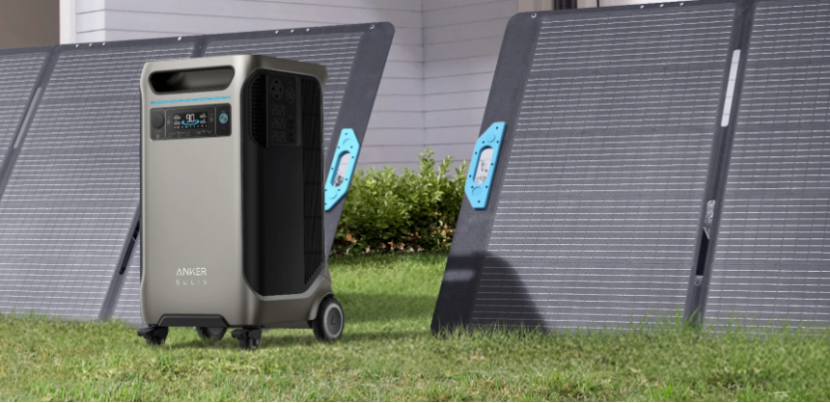
What Are Lightweight Solar Panels for Camping?
Lightweight solar panels for camping are portable devices designed to convert sunlight into usable electricity while minimizing weight and size. Manufacturers design them specifically for outdoor use, where easy transport and quick setup matter more than large, fixed installations.
Definition and Basic Working Principles
A lightweight camping solar pannel uses photovoltaic cells to capture sunlight and convert it into electrical energy. When sunlight hits the cells, electrons move and generate direct current (DC) power. Campers can use this power directly or store it in a battery or power station. These panels typically connect through USB ports, DC outputs, or adapters. Users can charge phones, lights, cameras, or power banks during the day. The panel itself does not store energy. It only generates power when exposed to sunlight. Lightweight designs focus on efficiency. Panels use high-performance cells to produce more power with less surface area.
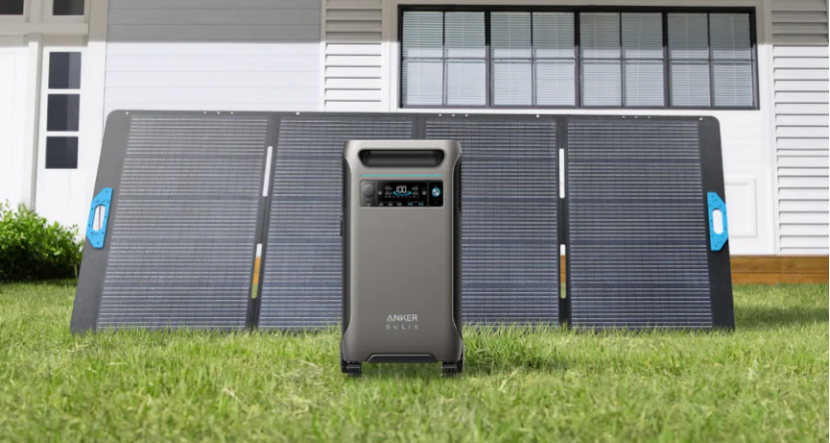
Types of Lightweight Solar Panels Used for Camping
Campers commonly choose from three main types of lightweight solar panels: foldable solar panels, flexible solar panels and compact rigid panels. The foldable solar panel fold into compact sections. Campers can pack them easily and unfold them when needed. They offer a good balance between power output and portability. Flexible panels bend slightly and weigh less than rigid designs. Campers often attach them to backpacks, tents, or vehicle roofs. They work well for hikers and minimalist travelers. The compact rigid panels use a solid frame but remain lightweight. They offer higher durability and stable output, making them suitable for base camps or car camping. Each type serves different camping styles. Understanding these options helps campers choose a panel that matches their travel habits.
Key Features That Make Solar Panels Lightweight and Portable
Not all portable solar panels perform the same. Several design features directly affect weight, efficiency, and ease of use. Campers should understand these features before buying.
Panel Materials and Cell Technology
Lightweight solar panels rely on advanced materials to reduce weight without sacrificing power. Many use monocrystalline cells, which offer higher efficiency than older technologies. These cells generate more electricity in smaller sizes. Manufacturers often replace heavy glass with durable fabric, plastic layers, or thin protective coatings. These materials protect the cells while keeping panels light. Reinforced stitching and waterproof layers help panels survive outdoor conditions. Better materials mean campers carry less weight while still getting reliable energy in varied lighting conditions.
Foldable, Flexible, and Compact Designs
Design plays a major role in portability. Foldable panels collapse into small shapes that fit backpacks or storage bins. Flexible panels reduce bulk and adapt to uneven surfaces. Compact layouts also shorten setup time. Campers can quickly position panels toward the sun, hang them from trees, or lay them flat on the ground. Designs that integrate loops, grommets, or stands give users more mounting options. This flexibility helps campers capture sunlight efficiently throughout the day.
Weight, Size, and Ease of Transport
True lightweight solar panels usually weigh only a few kilograms or less. Lower weight reduces fatigue, especially for hikers and solo travelers. Size matters just as much. A panel should pack down small without awkward shapes. Smooth folding patterns and slim profiles improve portability. Ease of transport also includes cable storage and protective covers. Well-designed panels prevent tangles and damage during travel, making them more practical for frequent outdoor use.
How to Choose the Best Lightweight Solar Panel for Camping?
Selecting the right solar panel depends on how you camp and what devices you use. Campers should evaluate their needs before focusing on specifications.
Power Output and Energy Needs for Camping Gear
Start by listing the devices you plan to power. Phones, headlamps, and cameras need little energy. Coolers, fans, or cooking tools require more power. Check the panel’s watt rating. Higher wattage means faster charging but often adds weight. Campers should match output to actual needs instead of choosing the highest number available. For short trips, lower output panels work well. For extended stays, higher output becomes more valuable.
Charging Options and Device Compatibility
A good camping solar panel supports multiple charging methods. Common options include USB ports, DC outputs, and adapter cables. Campers should ensure compatibility with power banks or portable batteries they already own. Panels with built-in controllers reduce the risk of overcharging. Multiple output ports allow users to charge several devices at once, saving time and improving efficiency during daylight hours.
Durability, Weather Resistance, and Ease of Setup
Camping exposes equipment to dust, rain, and rough handling. Lightweight panels should still offer strong durability. Look for weather-resistant materials and reinforced edges. Panels should tolerate light rain and temperature changes. Setup should take only minutes. Simple unfolding, clear cable connections, and adjustable angles make daily use easier. A panel that sets up quickly encourages consistent use and better power results.
Conclusion
Lightweight solar panel solutions give campers freedom, reliability, and sustainability in outdoor environments. They allow travelers to generate clean energy without carrying heavy equipment or relying on fuel. The best camping solar panels balance weight, power output, and durability. Foldable and flexible designs improve portability, while advanced materials maintain efficiency. Choosing the right panel depends on your camping style, energy needs, and device compatibility. By understanding how these panels work and what features matter most, campers can make confident buying decisions. Lightweight solar panels support modern camping without sacrificing simplicity or connection to nature. With the right setup, sunlight becomes a dependable power source wherever your journey takes you.